WATER COMMON GROUNDS FOR AN ECOLOGICAL REGENERATION
Year 2015
Place: Dharavi, (Mumbai, India),
Latitude: 19.044218, Longitude: 72.855980
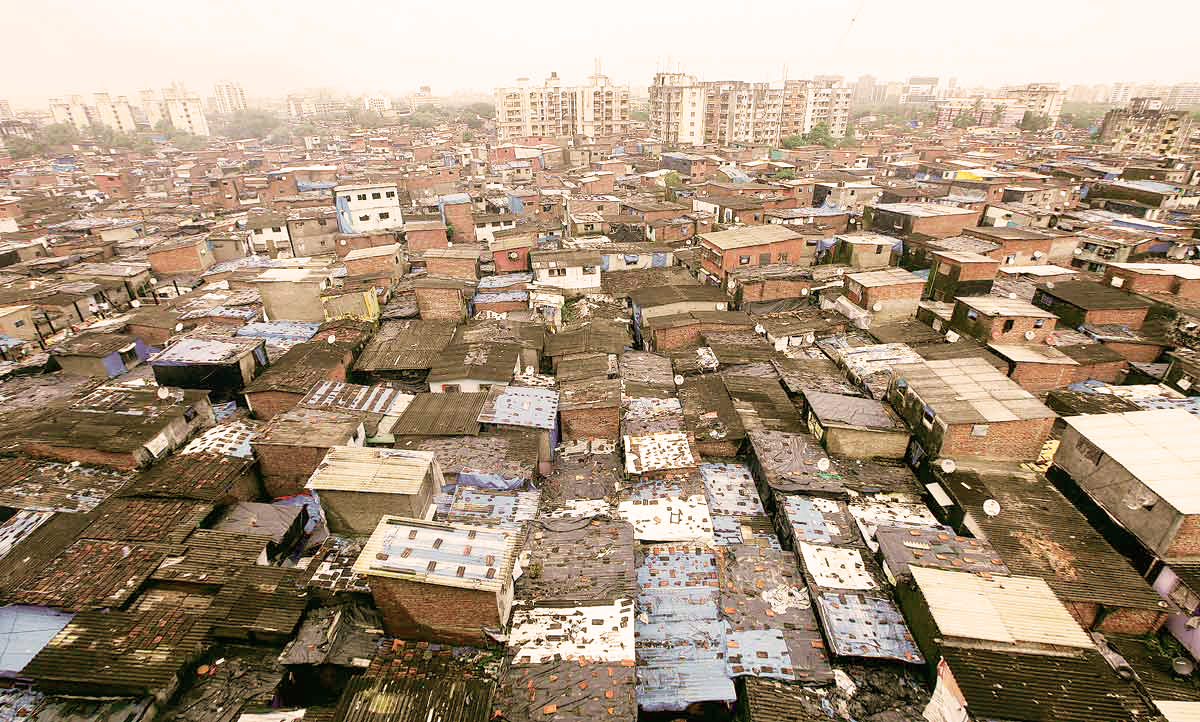
Dharavi is a huge informal settlement of Mumbai. More than 18 billions of people live today in this city, and the 15% of the total inhabitants of Indian slums. The story of the city and its evolution until now bring out two basic issue: on one side the phenomenon of informality, on the other side the ecological problem that Mumbai is facing.
The goal of this research is to find an interface system between formal and informal city, between built and natural system, through the design of a border area in Dharavi slum.
The starting point is the comprehension of the context in which we are operating, looking at it from different scale, the local and the metropolitan one. Thanks to this is possible to define the role of Dharavi neighborhood inside the metropolitan area of Mumbai and to anticipate good solutions in relation with current and future needs of the city.
Thanks to the support of URBZ it was possible to make a field research that could help us to better understand the social tissue of the neighborhood. In this way we could start to be aware of the effects of every proposal made.
The ecological strategies for a sustainable management of the water inside Dharavi are incorporated to the physical and social tissue of the area.
In general, the system proposed brings a gradient of spaces that starts from a new train station until new communal spaces deep into the neighborhood.
KEYWORDS: informal settlements, basic infrastructure, possibility to grow, ecological regeneration, natural systems, water management, safety of land, future city